



Emergency Action Plans Medical
& Weather Related Emergencies
Emergency Action Plans Medical & Weather

McKinney Ice Hockey Club Medical Emergency Action Plan
The McKinney Ice Hockey Club is committed to ensuring the safety and well-being of all participants during hockey activities. This Emergency Action Plan (EAP) outlines procedures for responding to medical emergencies, injuries, or critical incidents that may occur.
McKinney Ice Hockey Club (“MIHC”) maintains this Emergency Action Plan (EAP) to guide coaches, team staff, players, and families in responding to serious incidents during MIHC activities at StarCenter McKinney and other StarCenter facilities. This EAP is designed to complement facility procedures and USA Hockey safety expectations.

🚒 Emergency Contacts
- Contact the team manager and assigned or designated emergency responder.
- Emergency Medical Services (McKinney Fire Department):
- (972) 547-2850 or 911 for Urgent Emergencies
- Club President: Virgil Renz
- Safety & Conduct Director: TBD
- or contact any McKinney Board Member.
🩹 Medical Supplies
- First aid kit
- Automated External Defibrillator (AED) - Know the location of the AED for each rinnk
- Emergency blankets
- Ice packs
- Splints
👟 Communication Procedures
- Remain calm and assess the situation.
- Direct someone to locate the trainer immediately if a trainer is unavailable, and if injury cannot be handled with basic first-aid, call EMS immediately.
- Notify the Club President, Head Coach, Assistant Coach, and Team Manager.
- Provide clear and concise information about the location and nature of the emergency.

🚑 RESPONSE TO INJURY – MIHC EMERGENCY ACTION PROTOCOL (EAP)
- Trained personnel should provide immediate first aid.
- If the injury is severe or life-threatening, do not move the individual unless absolutely necessary.
- Use the AED if required and follow its instructions.
- Administer CPR if necessary and trained to do so.
- Immediate Safety and Scene Assessment
- Stop play or activity immediately when an injury is suspected.
- Ensure the area is safe for the injured person, staff, and bystanders (e.g., moving players away, stopping pucks/balls, removing hazards).
- Designate a coach or team official to control the bench/players while the primary responder attends to the injured person.
- Initial Medical Response
- A designated, trained responder (coach, athletic trainer, or other certified personnel) should approach the injured person and perform an initial assessment (airway, breathing, circulation, level of consciousness, obvious bleeding or deformity).
- Trained personnel should provide immediate first aid within the scope of their training and current certifications (e.g., basic first aid, CPR/AED).
- If the injury is severe, suspected to involve the head, neck, or spine, or appears life-threatening, do not move the individual unless there is an immediate danger (e.g., fire, further impact).
- Activation of Emergency Medical Services (EMS)
- If the injury is serious, life-threatening, or you are unsure of severity, call 9-1-1 immediately.
- Assign a specific adult (by name) to call 9-1-1 and another specific adult to meet EMS at the facility entrance and guide them to the injured person.
- When calling 9-1-1, provide:
- Your name and role with McKinney Ice Hockey Club (MIHC).
- Exact facility name and address, including rink number if applicable.
- Nature of the injury and condition of the injured person.
- The exact location inside the facility where EMS should enter (e.g., “North entrance by Rink 1”).
- Use of AED and CPR
- MIHC will ensure an Automated External Defibrillator (AED) location is known to all coaches and team managers at each facility used.
- If the injured person is unresponsive and not breathing normally, retrieve the AED immediately and follow its voice and visual instructions.
- Administer CPR if necessary and only if you are trained and currently certified to do so, continuing care until EMS arrives or the person recovers sufficiently and professional medical help assumes care.
- Communication and Parent/Guardian Notification
- For youth players, notify the parent/guardian as soon as reasonably possible, providing factual information about the injury and the actions taken.
- The head coach or team manager should remain with the injured athlete until a parent/guardian or EMS assumes responsibility.
- If EMS transports the athlete, an MIHC representative (coach, manager, or board designee) should, whenever feasible, accompany the athlete or follow to the receiving facility if a parent/guardian is not yet present.
- Post‑Injury Management and Return to Play
- No athlete should return to play on the same day after a suspected concussion, loss of consciousness, or any injury that required EMS activation.
- MIHC will require written clearance from a licensed health care professional before the athlete returns to participation following:
- Concussion or suspected head injury.
- Fracture, dislocation, or significant sprain/strain.
- Any injury that required EMS transport or emergency department care.
- Coaches must follow all MIHC, USA Hockey, and applicable state concussion and return‑to‑play laws and policies.
- Documentation and Incident Reporting
- The head coach or team manager must complete an MIHC Incident/Injury Report within 24 hours of any injury requiring:
- EMS activation,
- Emergency room/urgent care visit, or
- Removal from play for the remainder of the session or game.
- Reports should include date, time, location, description of the incident, witnesses, actions taken, and disposition (e.g., “transported by EMS,” “released to parent with recommendation to seek medical care”).
- Incident reports must be submitted to the MIHC Safety/EAP Coordinator or designated board member for review and retention in accordance with MIHC recordkeeping requirements.
- Roles and Responsibilities
- MIHC Board of Directors:
- Maintain and annually review the Emergency Action Plan and injury response procedures.
- Ensure that each team designates at least one CPR/AED and first‑aid certified adult.
- Coaches and Team Managers:
- Know the location of AED(s), exits, and facility emergency contacts.
- Carry team emergency contact information (parents/guardians, medical conditions, allergies) at all MIHC events.
- Conduct pre‑event safety checks (ice conditions, boards/glass, benches, locker rooms) and address hazards with rink staff.
- Parents/Guardians and Players:
- Provide accurate medical and emergency contact information to MIHC.
- Report any pre‑existing medical conditions that may affect emergency response (e.g., allergies, asthma, seizure disorders).
- Training and Annual Review
- MIHC will provide or facilitate access to annual training for coaches, managers, and volunteers on:
- Basic first aid, CPR, and AED use.
- Concussion recognition and reporting.
- MIHC Emergency Action Plan procedures and communication protocols.
- Each team will review the EAP at the beginning of each season and prior to travel tournaments, including confirming local EMS access and facility-specific emergency procedures.

🚨 Emergengency Response

Evacuation Procedures
- Alert all participants and spectators to leave the facility calmly.
- Designate evacuation routes and assembly areas.
- Ensure that everyone is safely evacuated from the premises.
- Assist individuals with mobility impairments as needed.
Incident Documentation
- Designate someone to record details of the incident, including the nature of the emergency, actions taken, and any observations.
- Obtain witness statements if applicable.
- Complete incident reports as required by USA Hockey.
Review and Training
Regularly review and update the Emergency Action Plan. Conduct training sessions to ensure all personnel are familiar with their roles and responsibilities during emergencies.
Compliance with USA Hockey Regulations
- This Emergency Action Plan complies with USA Hockey requirements and guidelines for ensuring the safety of participants during hockey activities.
Conclusion
The McKinney Ice Hockey Club is dedicated to maintaining a safe environment for all participants. By implementing this Emergency Action Plan and conducting regular training, we aim to effectively respond to medical emergencies and critical incidents.
Date of Last Revision
Dec 12, 2025

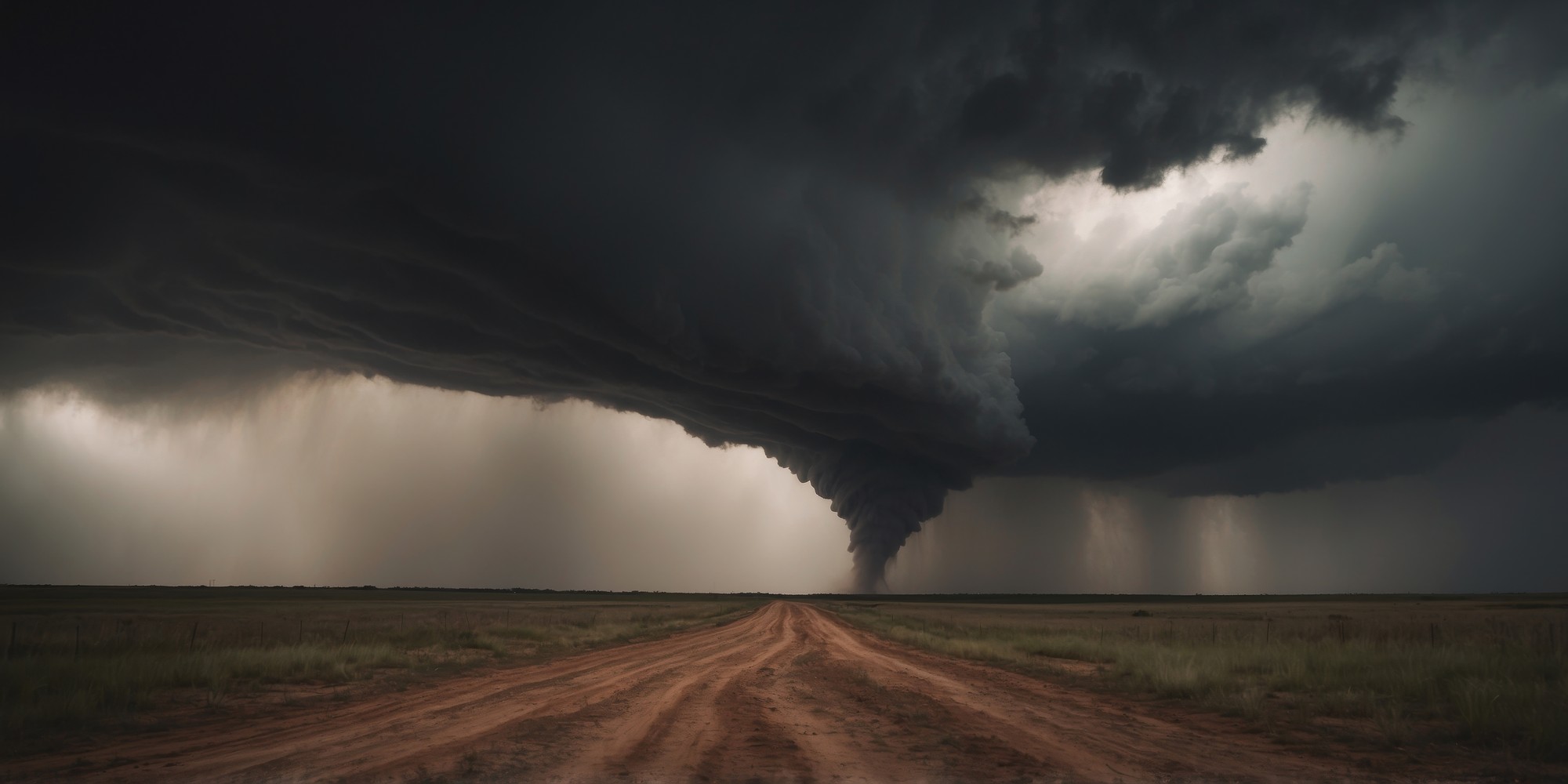
🌪️ Tornado or Weather-Related Emergencies Protocol 🌩️

🌪️
A tornado WATCH means tornadoes are possible in and near your area. Be ready to act fast!
🌪️
A tornado WARNING means Take Action! A tornado is near. There is danger. Move to safe location right away.
Monitoring and Preparation
- Designate a weather monitor responsible for tracking weather conditions during hockey activities.
- Utilize weather forecasting tools and local alerts to stay informed about potential tornadoes or severe weather threats.
Alert System
- Monitor multiple weather sources, including National Weather Service alerts, lightning detection apps, and local radar
- Listen for tornado sirens and severe weather warnings in the area
- Use weather apps with push notifications for immediate alerts about approaching storms
Shelter Procedures
- Identify designated tornado shelter areas within the facility.
- Direct everyone to move quickly and calmly to the shelter areas when a tornado warning is issued.
- Instruct individuals to take cover under sturdy furniture or in low-lying areas away from windows.
Accountability and Safety Checks
- Account for all participants and spectators to ensure everyone has reached a safe location.
- Conduct safety checks to verify that no one is left behind or injured during the evacuation process.
Post-Emergency Procedures:
- Remain in the designated shelter areas until the tornado warning has been lifted or the severe weather has passed.
- Assess the facility for any damage and ensure it is safe for re-entry before resuming hockey activities.
- Provide updates and guidance to participants and spectators as necessary.
Review and Training
- Conduct regular drills to practice tornado shelter procedures.
- Review and update the tornado or weather-related emergencies protocol as needed to ensure effectiveness.

Additional Information & Procedures
McKinney Ice Hockey Club (“MIHC”) maintains this Emergency Action Plan (EAP) to guide coaches, team staff, players, and families in responding to serious incidents during MIHC activities at StarCenter McKinney and other StarCenter facilities. This EAP is designed to complement facility procedures and USA Hockey safety expectations.

1. Purpose and Scope
This Emergency Action Plan applies to all MIHC practices, games, tournaments, clinics, and events held at StarCenter McKinney and any other StarCenter facility where MIHC teams play. It covers serious injury, cardiac events, medical emergencies, severe weather, and security threats occurring during club activities. All coaches and team managers are expected to know and follow this plan.
2. Rink Information and Key Locations
For each StarCenter facility used by MIHC, team staff will maintain a simple rink‑specific reference that includes:
- Facility name and full street address
- Front desk / main phone number
- Nearest hospital or emergency department
- Location of AED(s) and first‑aid kits inside the rink
- Primary and secondary entrances for EMS access (e.g., main entrance, service doors, rink door numbers)
Team managers should keep this information in team binders and digital folders and ensure it is available on the bench or in the scorekeeper area.
3. Roles During an Emergency
Before each season, every team should identify and review three core roles for emergencies:
- Emergency Lead – usually the head coach or team manager; stays with the injured/affected person, directs others, and does not leave the scene.
- Caller/Runner – calls 911, provides location and details, meets EMS at the main entrance, and guides them to the scene.
- Crowd/Bench Control – keeps other players and spectators back, maintains a clear path for EMS, and supports privacy and order.
If normal role‑holders are absent, another responsible adult (assistant coach, manager, or Board member) should assume the necessary roles.
4. Serious Injury or Cardiac Event
For serious injuries (suspected fractures, head/neck/spine injuries, severe bleeding, loss of consciousness) or possible cardiac events:
- Stop play and secure the area. Players should go to the bench or another safe spot away from the injured person.
- Emergency Lead remains with the injured person, assesses basic responsiveness, and avoids moving them unless there is immediate danger.
- Caller/Runner immediately calls 911, states the rink name, address, and specific rink/ice sheet, and describes the nature of the emergency.
- Retrieve the AED if there is any concern about a cardiac event or unresponsiveness; follow the AED voice prompts.
- Crowd/Bench Control clears a path for EMS, manages players and spectators, and helps maintain calm.
No one should move a player with a suspected spinal injury unless trained and absolutely necessary for safety. Return‑to‑play decisions after injury or suspected concussion must follow medical guidance and USA Hockey concussion/injury management expectations.
5. Illness, Concussion, and Medical Information
If a player, coach, or spectator exhibits serious symptoms (such as chest pain, difficulty breathing, seizure, severe allergic reaction, or sudden confusion), treat it as a medical emergency and follow the same steps: call 911, notify rink staff, and activate the EAP roles.
- Players suspected of concussion must be removed from play immediately and not return the same day unless cleared under applicable medical/league rules.
- Coaches and managers should know where limited medical or allergy information (provided by families) is stored and share only necessary details with EMS or medical staff.
6. Severe Weather
For severe weather (e.g., tornado warnings, dangerous storms) while at a StarCenter facility:
- Follow rink staff directions and announcements; they may instruct teams to shelter inside interior hallways or designated safe areas away from glass.
- Coaches and team managers should keep players together, account for all athletes, and avoid sending players outside into unsafe conditions.
- If time allows, communicate with parents about the situation and any changes to pick‑up plans, using established team channels.
If severe weather threatens travel to or from the rink, MIHC may delay, modify, or cancel sessions based on safety and facility guidance.
7. Security Threats
In the event of a security threat in or near the facility (e.g., violent altercation, suspected weapon, active threat):
- Prioritize moving players and staff to safety; follow any shelter‑in‑place or evacuation instructions provided by StarCenter staff or law enforcement.
- Call 911 as soon as safely possible and provide clear information about the location and nature of the threat.
- Coaches and team managers should keep players together and avoid re‑entering the facility or parking lot until authorities indicate it is safe.
8. Communication and Documentation After an Incident
After any significant emergency:
- The Emergency Lead or team manager should notify an MIHC Board member as soon as practical.
- A brief written incident summary should be created (date, time, location, individuals involved, actions taken, EMS involvement, and any follow‑up instructions from medical personnel or the facility).
- Where required by league, USA Hockey, or insurance policies, MIHC may complete additional reports or notifications.
Families should be informed promptly of any incident involving their player, including known next steps and recommended follow‑up (e.g., medical evaluation).
9. Training, Posting, and Review
- MIHC will provide coaches and team managers with this EAP and rink‑specific information at the start of each season.
- Teams are encouraged to review the EAP briefly at a pre‑season or early‑season staff meeting, including the location of AEDs and the 911 call procedure.
- MIHC will make this EAP available on the club website so families, players, and volunteers can understand how emergencies are handled.
The Emergency Action Plan will be reviewed at least annually, and after any significant incident, to incorporate lessons learned and any changes in USA Hockey, league, or StarCenter procedures.
Compliance with USA Hockey Regulations
This protocol aligns with USA Hockey regulations for responding to weather-related emergencies during hockey activities.
Safety First!